
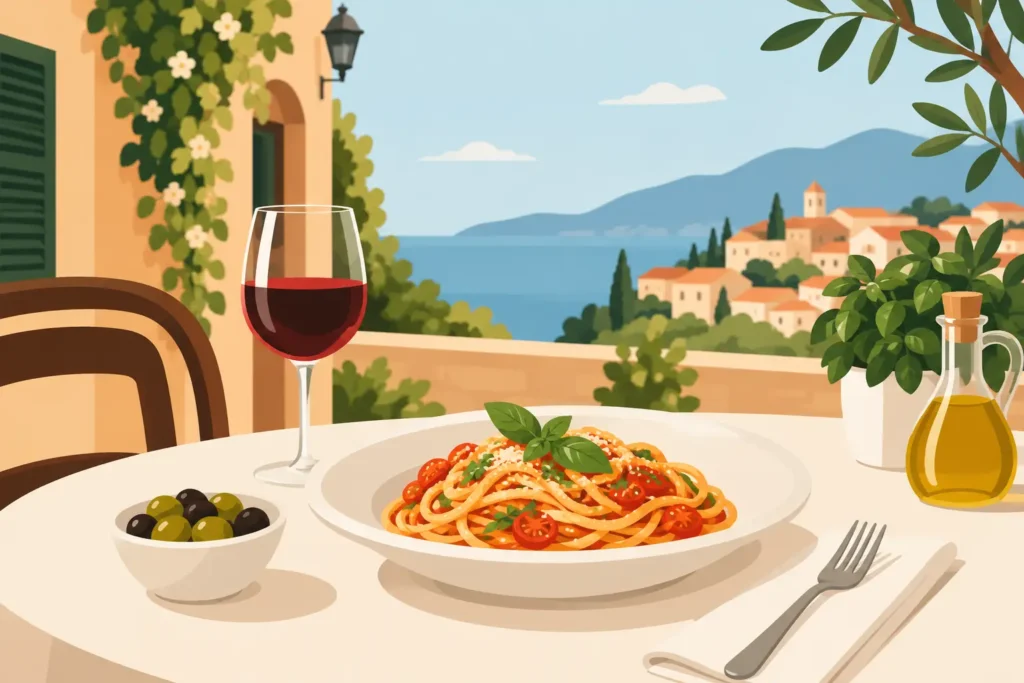
A plate of pasta is rarely just a plate of pasta. On a Tuesday after work, it can be the reason a group of friends stays out for one more round. Before a show or a big night in Dupont Circle, it can be the easy answer to the question everyone asks: Where should we eat? That is the real promise of casual Italian dining – familiar food, a warm table, and enough room for the night to become whatever it needs to be.
Italian food has a natural way of bringing people together. The best casual settings honor that tradition without asking guests to study a dress code, whisper through dinner, or save the experience for an anniversary. There should be comfort in the menu, energy in the room, and a welcome that makes a quick dinner feel like a good decision.
Casual Italian Dining Is About More Than Being Informal
“Casual” does not mean careless. It means the experience is easy to say yes to. You can arrive in work clothes, meet a date for a relaxed meal, bring visiting family, or gather friends around a table without overthinking the plan.
The food still matters. A comforting bowl of homemade pasta, a crisp salad, a bubbling classic Italian dish, or a shareable starter should arrive with the same care it would receive at a more formal restaurant. The difference is in the pressure level. Guests should feel free to order a simple favorite, split a bottle, have a cocktail at the bar, or turn dinner into a longer evening because the conversation is too good to end.
That balance is why casual Italian restaurants remain a neighborhood essential. They sit comfortably between takeout on the couch and a special-occasion splurge. They offer the satisfying middle ground people actually use: a dependable place for real food and real connection.
What Makes a Great Casual Italian Meal
The most memorable Italian meals often begin with recognizable flavors. Garlic warming in olive oil, tomato sauce simmering with herbs, melted cheese, fresh basil, and pasta cooked with the right bite can make a dining room feel instantly more inviting. These are dishes people know, but knowing them is part of the pleasure.
A great casual menu gives guests choices without making dinner feel like homework. There should be classics for the person who always orders chicken Parmesan, pasta options for the friend who wants something comforting, and enough variety for the table to accommodate different appetites. A well-made Italian meal is generous by nature, and a menu should reflect that generosity.
Portion and pacing matter, too. A casual meal may be a quick pre-event dinner, but it could just as easily be a three-hour catch-up with cocktails and dessert. The best restaurants can handle both. Service should be attentive without hovering, and the room should feel lively without forcing guests to raise their voices across the table.
There is also no need to pretend every occasion calls for the same kind of dining. A quiet date night may call for pasta, wine, and an unhurried corner table. A birthday group may want shared plates, classic cocktails, and a little more volume. A business-adjacent dinner may need a location that feels polished but not stiff. Casual Italian dining works because it meets people where they are.
Familiar dishes create room for better conversation
When the food is approachable, guests can focus on one another. No one has to explain a complicated tasting menu or worry that they chose the wrong thing. A favorite pasta dish creates immediate confidence. It gives the table a starting point, especially when friends, coworkers, or relatives are meeting for the first time.
That does not mean the experience has to be predictable. A seasonal special, a new cocktail, or a different pasta sauce can add surprise without losing the comforting foundation. The sweet spot is a meal that feels reliable enough for a regular Tuesday and festive enough for a Saturday reservation.
The Bar Belongs in the Experience
For many guests, dinner begins before the first appetizer arrives. It starts at the bar with a classic cocktail, a glass of wine, or a simple spritz shared while everyone filters in from different parts of the city. That moment changes the pace of the evening. The group settles, catches up, and lets the workday go.
A restaurant bar also makes Italian dining more flexible. Some nights call for a full meal. Other nights call for a drink, a small bite, and a reason not to head home quite yet. A separate bar menu can make the room feel useful at every hour, whether guests are meeting before dinner elsewhere, extending their meal, or looking for a low-pressure stop in the neighborhood.
The trade-off is that energy needs managing. A lively bar should add to the atmosphere, not overpower the dining room. The right setting gives guests options: conversation at a table, a casual drink at the bar, or a group celebration that can be as animated as the occasion calls for.
Why Location and Longevity Matter
In a walkable neighborhood like Dupont Circle, convenience is part of hospitality. A centrally located Italian restaurant can become the default meeting place because it works for office professionals, nearby residents, visitors, and friends arriving from different Metro lines or corners of the city.
But location alone does not create loyalty. Longevity does. A restaurant that has been part of a neighborhood for decades understands the rhythm of its guests: the weekday rush, the spontaneous late dinner, the annual birthday gathering, the out-of-town friend who needs a reliable recommendation. Since 1986, Dupont Italian Kitchen has served that role with fresh Italian favorites, a welcoming full-service setting, and a bar-ready sense of occasion.
That history is not about standing still. A longtime neighborhood restaurant stays relevant by giving people more ways to enjoy it. Dine-in remains central, but pickup and delivery make an easy dinner possible at home. Catering supports office lunches and celebrations. Gift cards give regulars a simple way to share a favorite local spot. Private events and large-party options turn a familiar restaurant into a venue for a milestone.
Groups need flexibility, not formality
Group dining is where casual Italian food truly shines. Pasta is made for passing around stories, starters are made for sharing, and classic dishes make it easier to satisfy a table with different tastes. Yet organizing a group dinner can get complicated fast when the setting is too formal, too cramped, or too limited in its offerings.
The best option gives hosts room to choose the kind of gathering they want. A family dinner needs comfort. A team celebration needs easy planning. A birthday may need cocktails, a private space, or even karaoke after dinner. The goal is not to make every event look the same. It is to give the host confidence that everyone will be fed, welcomed, and able to enjoy themselves.
The Everyday Occasion Deserves a Good Table
Not every dinner needs a reason. In fact, the most valuable neighborhood restaurants are often the ones that make an ordinary evening feel slightly more generous. They offer a table when cooking sounds exhausting, a welcoming place when friends want to reconnect, and a menu that feels satisfying without requiring a major plan.
That is why casual Italian dining endures. It is not chasing novelty for novelty’s sake. It is built on flavors people return to, rooms where they can relax, and service that understands a meal can be both simple and meaningful.
The next time the group chat asks where to meet, choose the place with fresh pasta, a good cocktail, and space for everyone to settle in. The best nights do not always need an agenda – sometimes they just need a table worth gathering around.

